




Not actual patient.
PANZYGA showed proven results in a clinical trial
A 6-month (24-week) clinical study was done to figure out how well adult patients with CIDP responded to treatment with PANZYGA. In the study, patients were divided into groups, and each group was given a different dose.
The study focused on the 1 g/kg dose, but also looked at the 2 g/kg dose.
PANZYGA improved ability to use arms and walk


*Results are based on improved patient scores in an adjusted Inflammatory Neuropathy Cause and Treatment (INCAT) disability exam that measures ability to use arms and legs.
PANZYGA also helped with grip strength


*Results are based on improved patient scores in an adjusted Inflammatory Neuropathy Cause and Treatment (INCAT) disability exam that measures ability to use arms and legs.
Estimated infusion time
PANZYGA is the first and only IVIg with 2 FDA-approved maintenance dosing options for CIDP.†
Here are 2 examples of infusion times with PANZYGA‡:
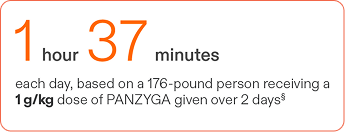
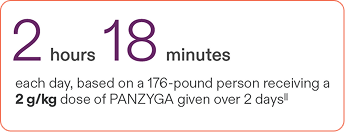
†Maximum infusion rate=12 mg/kg/min, as tolerated.
‡The specific times will depend on how well the person tolerates the infusion.
§Total dose is 80 g every 3 weeks. Maximum infusion rate is 12 mg/kg/min as tolerated.
||Total dose is 160 g every 3 weeks. Maximum infusion rate is 12 mg/kg/min as tolerated.


With 2 approved dosing options,
your doctor will have the flexibility to increase or decrease your dose as needed
Most common side effects
In the clinical trial, more than 5% of patients experienced these side effects:
Headache: 15%
Fever: 14%
Skin irritation: 10%
Increased blood pressure: 8%
The side effects were mostly similar between the 2 dosing groups. The only exception was headache. Patients who took the higher dose reported more headaches (24%) compared to those who took the lower dose (15%).

Meet Matthew
Hear from Matthew L. about his journey with CIDP and PANZYGA. Learn about the symptoms that changed his life, his road to diagnosis, and the progress he is making today thanks to PANZYGA.

Getting started with PANZYGA
View helpful info on what to expect before, during and after PANZYGA infusions

Have questions about PANZYGA?
Find answers to frequently asked questions and get connected to additional support

Do you need financial assistance?
Learn about two co-pay programs that may help eligible patients with PANZYGA treatment costs